San Antonio is the only place in the United States where you can walk through five 18th-century Spanish colonial missions in a single day — and since 2015, the whole chain has carried UNESCO World Heritage status. It's an easy landmark to underestimate. Most visitors see the Alamo, snap a photo, and move on. But the four missions south of downtown are quieter, still-active, and arguably more atmospheric — living churches surrounded by farmland, aqueducts, and centuries-old stone.
This guide walks you through what each mission offers, how to see them efficiently, and how to decide whether to go it alone or join a guided tour.
The five missions, north to south
The missions sit roughly in a line following the San Antonio River, starting downtown and heading south. Here's the lay of the land.
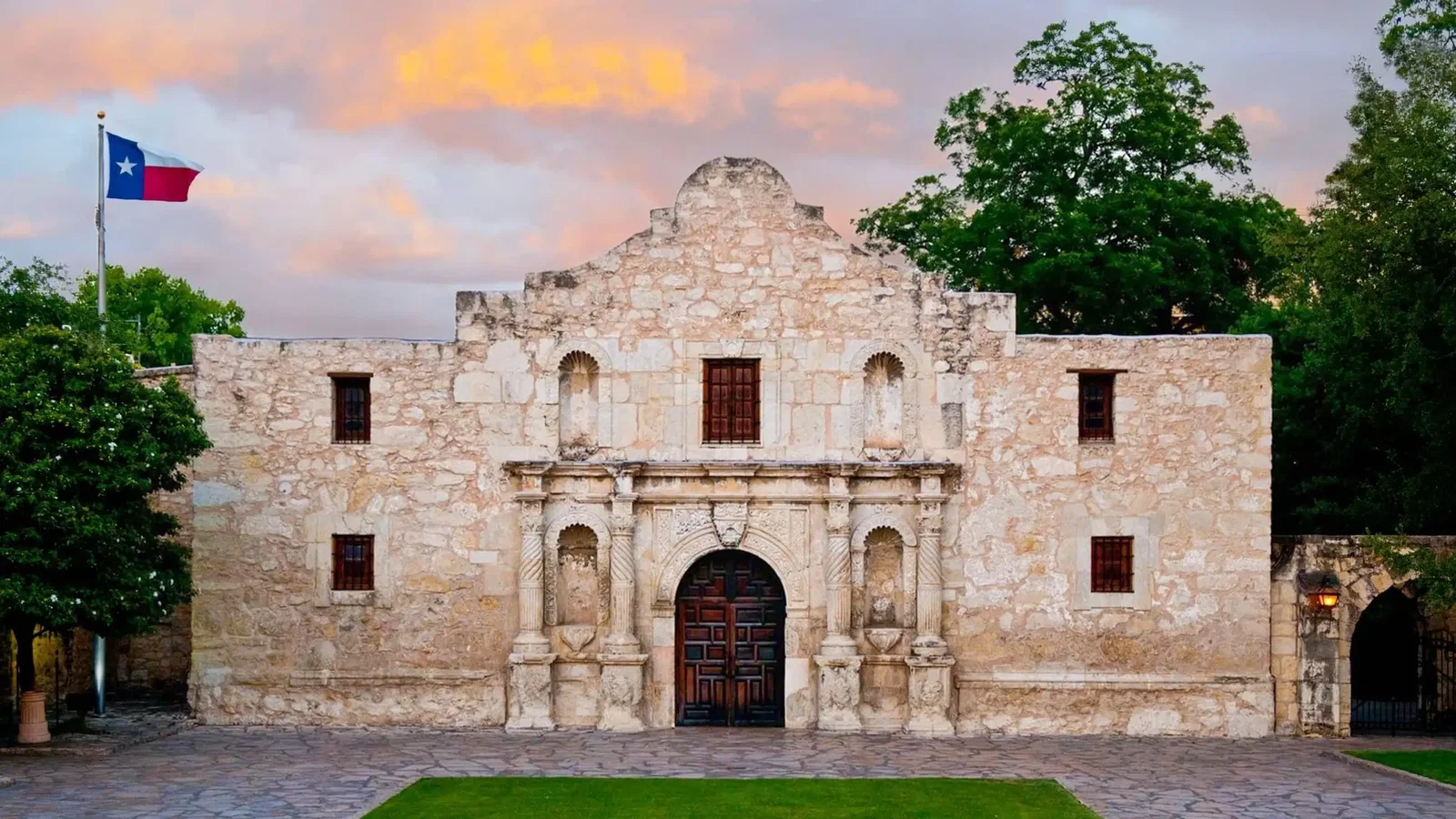
The Alamo (Mission San Antonio de Valero)
The most famous — and the most crowded. Founded in 1718 and later the site of the 1836 battle, the Alamo sits right in the heart of downtown near the River Walk. It's technically part of the mission story but is managed separately from the national park, and it draws by far the largest crowds. Go early in the day to beat the lines and the heat.
Mission Concepción
The first stop on the official Mission Trail south of downtown, Concepción is remarkably well-preserved — it's considered the oldest unrestored stone church in the country. Look closely at the interior walls and you can still spot fragments of original painted frescoes.
Mission San José
Known as the "Queen of the Missions," San José is the largest and most fully restored of the group, complete with a reconstructed defensive wall, grist mill, and the famous carved "Rose Window." The main visitor center for the national park is here, which makes it the smartest place to begin if you want context before exploring.
Mission San Juan Capistrano
Smaller and more rustic, San Juan sits amid open space and has a short nature trail nearby. It gives you a real sense of the self-sufficient farming community these missions once were.
Mission Espada
The southernmost and most remote-feeling mission, Espada rewards those who make the full trip. Don't miss the nearby Espada Aqueduct, part of the original irrigation system that's still functioning after nearly 300 years.
How to see them: three approaches
1. Drive the Mission Trail yourself
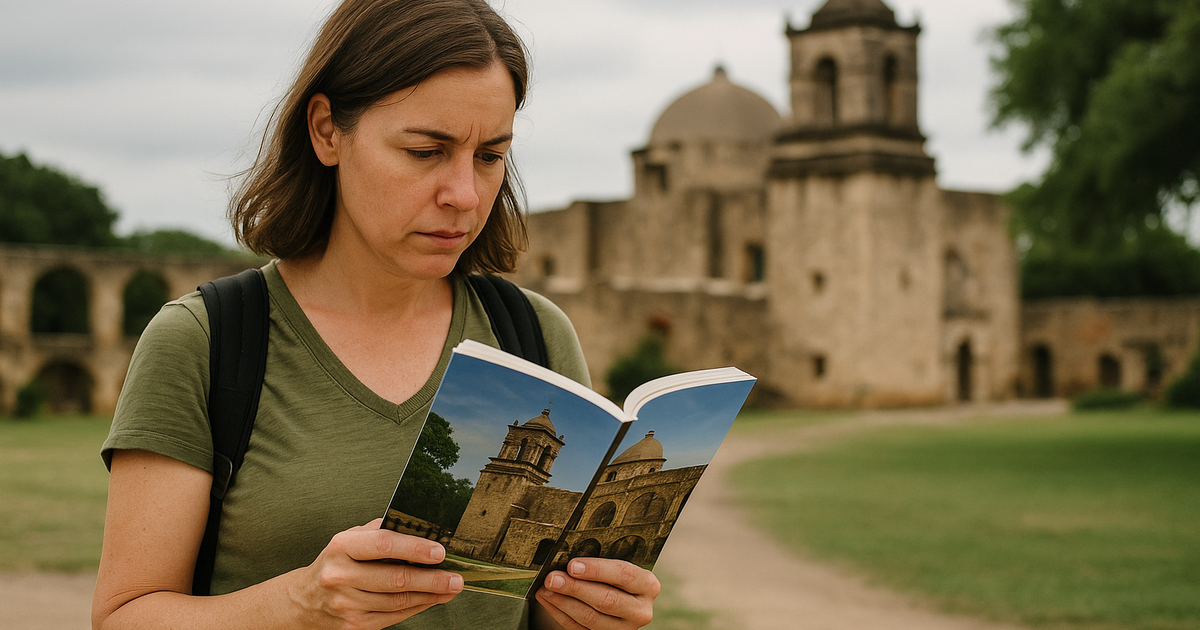
The four southern missions are connected by a signed driving route, and each has free parking. Driving gives you full control over pace and timing. Budget half a day if you want to linger, and start at the San José visitor center for orientation. Because these are active parish churches, check whether services are scheduled — visiting is welcome, but be respectful during Mass.
2. Bike the trail
The Mission Reach of the San Antonio River Walk is a paved, largely flat greenway that links the southern missions. Cycling it is one of the best ways to appreciate the landscape the missions were built into. If you enjoy this kind of active exploring, browse more ideas under Outdoor & Adventure.
3. Join a guided tour
A good guide turns a row of old churches into a connected story about faith, farming, conflict, and cultural blending. If you'd rather not handle logistics — or you simply want the history explained well — a dedicated tour is worth it. The Small-Group World Heritage San Antonio Missions Guided Tour focuses specifically on the mission chain in a smaller, more personal setting.
If you'd prefer to fold the missions into a broader cultural narrative of the city, the 300 Years of San Antonio Cultural and Heritage Tour covers the wider sweep of local history. You'll find more options like these under Tours & Sightseeing and Historic Sites & Missions.
Practical tips for your visit
- Start early. San Antonio heat is no joke from late spring through early fall. Morning visits mean cooler temperatures and thinner crowds.
- Bring water and sun protection. Much of your time is spent outdoors, and shade can be limited between buildings.
- Wear comfortable shoes. Even the drive-and-walk approach involves a fair amount of walking on uneven ground.
- Respect active worship. These remain functioning Catholic churches. Enter quietly and follow any posted guidance.
- Allow more time than you think. It's tempting to rush, but the southern missions reward a slower pace.
Combining the missions with the rest of your trip
Because the Alamo sits downtown next to the River Walk, it pairs naturally with a broader city outing. The San Antonio Premium City Tour with Alamo & River Walk Cruise and the Ultimate San Antonio Walking Experience with Alamo & River Walk Cruise both bundle the Alamo with the city's other signature sights.
If you're hopping between multiple downtown landmarks over a day or two, the San Antonio Hop-On Hop-Off Trolley Tour is a flexible way to get around, and the San Antonio CityPASS® can be worth a look if you plan to visit several ticketed attractions.
Traveling with kids? After the history, they may be ready for something more active — see Family Attractions or plan a stop at the San Antonio Zoo. And to round out the day, our Food & Drink Experiences can point you toward the Tex-Mex and regional flavors the city is known for.
Making a day of it
The missions are best understood as a chain, not five separate stops — each one a piece of the same ambitious, complicated experiment in colonization, conversion, and community. Whether you drive the trail with a coffee in hand, pedal the Mission Reach, or let a guide connect the dots, you're walking through three centuries of San Antonio's origin story.
Give yourself the time to slow down at Espada, look up at San José's Rose Window, and imagine the fields and irrigation channels that once fed hundreds of people. That's when the World Heritage label stops feeling like a plaque and starts feeling earned.